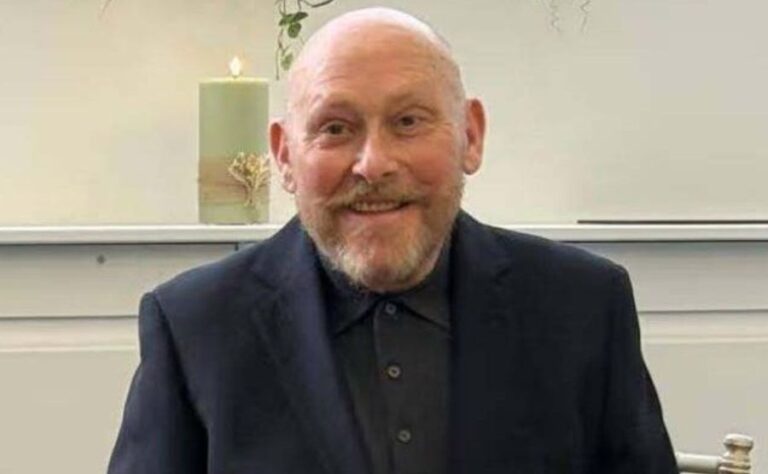
Kev Corbishley: Biography, Work Style, and Career Journey
In television production, attention immediately turns to the actors who are regularly on screen or administrators who guide each scene. What is generally ignored is the huge organization of skilled people who protect the entire section that works behind the scenes of a digicam. These roles include managing units, managing day-to-day production demands, supporting lighting teams, and ensuring that every part of the shoot runs without delay.
Kevin Corbisley was an expert working in such backgrounds. In his career, he has contributed to well-known TV projects with Ghosts and Call the Midwife. His work promoted the easy pace of productions that reached large audiences and became popular in isolated areas. While his name has now evolved into something that is not publicly visible to viewers, his status has been part of the foundation that has helped these shows hit the screen en masse.
His career highlights an important reality in the TV business. Every completed episode depends on many people living out of the limelight and yet still fulfilling necessary responsibilities. From mentorship to final filmmaking, these contributions create a better and more consistent version of what audiences ultimately see, even if their efforts are never recognized outside of the industry.
Quick Bio
| Category | Details |
| Full Name | Kevin Corbishley |
| Profession | Television and Film Crew Member |
| Industry | British Film and Television Production |
| Known For | Behind the scenes technical support in major TV dramas |
| Notable TV Shows | Ghosts, Call the Midwife |
| Film Work | Anna Karenina (2012) |
| Main Roles | Lighting support, rigging assistance, set preparation, camera setup support |
| Department Experience | Art department support, technical crew, studio production teams |
| Work Style | Calm under pressure, detail focused, practical thinker, team oriented |
| Key Strengths | Lighting coordination, equipment handling, set safety, visual consistency support |
| Contribution Type | Non acting technical work supporting storytelling and scene building |
| Career Path | Started in entry level technical roles and progressed into established TV productions |
| Industry Role | Essential behind the scenes crew member supporting production flow |
| Work Environment | Fast paced film sets and large scale TV production teams |
| Recognition | On screen tribute in Ghosts, respect from colleagues and production teams |
| Professional Reputation | Reliable, consistent, trusted crew member |
| Legacy | A portion of the technical basis for popular British television shows |
| Impact | Helped maintain visual quality, continuity, and smooth filming process |
| Public Presence | Limited public information, mainly known through professional credits |
| Work Value | Contributed to successful execution of complex TV productions |
| Status | Deceased (2022) |
Kevin Corbishley and His Early Career
Official data is usually admirably limited to Kevin Corbishley’s teenage years, especially his more teenage years. What is further documented is his expert career in film and television, where he worked in important technical departments, which can be placed after many highlights.
He began his career in entry-level design roles, specifically in the areas of lighting fixture assistance and virtual digital camera rigging These positions are particularly technical and require the ability to maintain strong cognition, knowledge, and patience in fast-paced high-stress environments Whichever way film is necessary what movie is necessary
Light is one of the most important aspects of painting. It shapes the mood of the scene, shows emotion and lets visitors create their own fun settings on the screen. Rigging ensures that the digital digital camera, lighting, and equipment are positioned efficiently and effectively for each shot. Stability and precision in those areas are often remembered, and Corbyshall can be counted on to convey careful and accessible technique in his artwork.
From movie sets to TV productions
As the joy grew, Kevin Corbisley moved on to a more permanent position in film and television. Working in these environments gave him a deep understanding that the way to create visual storytelling is through teamwork, timing, and technical coordination .
He later contributed to widely acclaimed television productions such as Ghosts and Call the Midwife. In these efforts, his paintings have not been limited to technical support. He became part of an extensive production team that helped flood the script into the full-size images that appeared on the screen. Every adjustment on set, every layout change, every technical decision played a role in shaping the final viewing experience.
The behind-the-scenes work relied closely on ghost-like clues, primarily sometimes in its emotionally driven and visually detailed moments, on skilled team members who ensured everything ran smoothly throughout filming.
His efforts were appreciated through colleagues, and his contribution was later mentioned in a tribute shown on Ghosts. This popularity now reflects not only on his role as an expert, but also on the respect he has earned from the people he has worked with throughout his career in the industry.
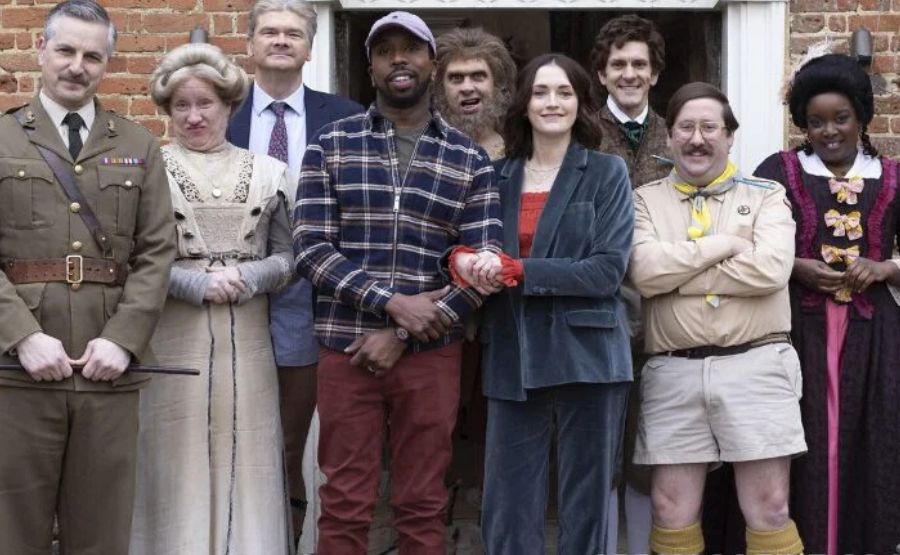
Call the Midwife Role
Kevin Corbishley was part of the behind-the-scenes team of the famous British drama Call the Midwife. The series is largely exemplary for its emotional intensity and fixed-length setting, which is closely based on careful production drawings to maintain a realistic experience .
His contributions within the technical group helped support the overall visual presentation of the exhibition. His paintings played a role in the creation of the lighting and the set atmosphere that shaped how each scene would appear on screen. From quiet, character-driven moments to more hyper-emotional scenes, the technical setup helps manually shape the mood of the target market, and its cast really contributed to that kind of
The show is distinguished by its warm and natural visual style, which requires precise coordination of all the lighting, digital camera placement and set preparation to maintain consistency.
After his passing, the dedication was analyzed “In memory of Kev Corbishley 1965–2022” and included in a later production. This honor reflected the respect he earned from his colleagues and served as recognition of his contributions at some point in the series.
The Importance of Crew in Television
Television production is based on teamwork at all levels. While the actors and directors are the most visible part of the show, the final end result is only created entirely with the help of a large group of band contributors running behind the digital camera .
Kevin Corbishley’s paintings represent this important but often overlooked part of the building. Lighting, as an example, can totally change how a scene feels, affecting mood, focus, and emotional impact. Camera setup and rigging additionally play a key role in ensuring that every shot is strong, properly framed and equipped for filming without delay
Such paintings require strong technical expertise, attention to the element and the ability to focus and survive in fast-paced environments. It also relies on teamwork, which requires each branch to coordinate closely in order to bring it together and easily in sight. Corbishley is appreciative of the qualities that helped him become a reliable part of worked productions.
Overall, his career reflects how important on-screen experts are in television. Even if their names are not widely known to the audience, their images simultaneously shape the quality, look and feel of the clues people see and experience.
The Respect he Earned on Set
Every time tributes were blanketed to Kevin Corbishley for productions like Ghosts and Call the Midwife, it confirmed how deeply he is held within the industry. These on-screen recognitions are not given softly, especially on TV, where many band members paint behind the scenes without public recognition.
Such dedications usually replicate actual non-public bonds formed at some stage during long hours working on set. In Corbishley’s case, shared messages using colleagues suggested that he was no longer most accessible for his technical skills, but also valued for his constant and positive presence while working under stress.
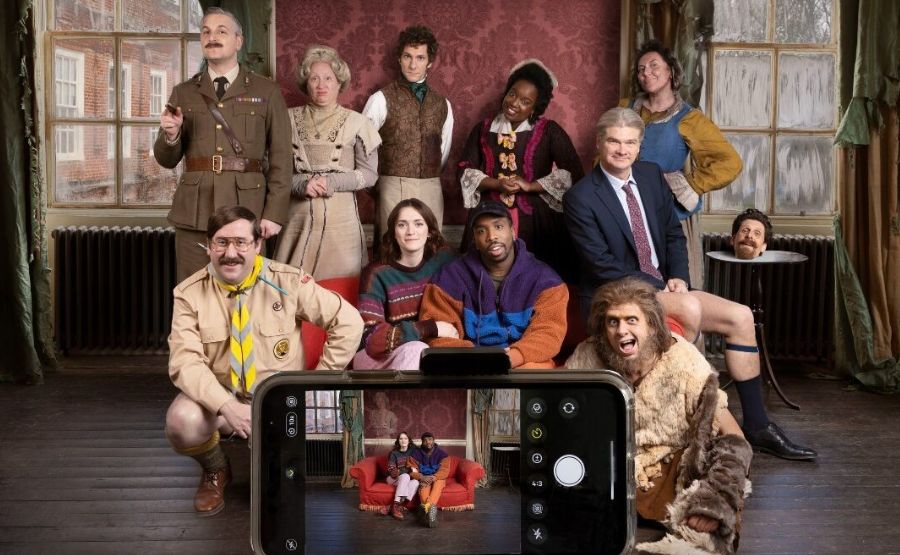
Remember his Work and Contributions
Even after his passing in 2022, Kevin Corbishley’s paintings continue to exist in the shows he helped bring to life. Every show he worked on still shows the components of his contributions, whether it’s the lighting setup, the digital camera assistant, or the popular technical coordination that helps shape the result on the final show screen .
While there are limited public facts about his personal existence, his professional influence is evident through the productions he supported. His work helped maintain the visual tone, consistency and smooth flow with the flow that audiences see in the finished episodes. These are small but crucial factors that simultaneously affect how the story plays out on the screen.
His career also stands as a reminder that success on television is not the simplest thing when it comes to public goodwill. Many important roles are behind the scenes of a digital camera, additionally relying on stability, range, and technical skills rather than visibility. Corbishley’s course shows how long dedication to such roles leads to meaningful contributions to key productions.
Career Overview and Professional Background
The recorded industries show that Kevin Corbishley has worked in many iconic British productions in every film and television. His name is associated with guarantees that required strong technical assistance and are based on intended performance.
In recent years he contributed to film, such as: Anna Karenina (2012), where he contributed analytical responsibility for technical works of art in connection with set treatments.
He later became part of prime TV productions with Ghosts and Call the Midwife. These efforts supported the kind of scenes behind his snapshots that ensure scenes are well-lit, framed, unobstructed and ready to be filmed Although these commitments are not constantly visible to visitors to the site, they are critical to keeping the production highly satisfying .
His credits replicate a typical career built on genuine talent and consistency, common in the film and television industry, where many group contributors contribute to several of the factors over the years without public interest .
Industry Feedback and Recognition
When a tribute to Kevin Corbishley appeared within the movie Ghosts, visitors were intrigued. Many people have searched for records of his popularity and contributions, mainly the huge debate about the experts behind television production .
Within the industry, however, the reaction has been extra abrupt. Colleagues remembered him as dependable, calm and focused on all the crazy movie schedules. These skills are especially important in manufacturing environments where timing, coordination, and accuracy are critical.
Although he has now changed to not being a public parent, the respect shown after his passing took into account the strong working relationships that were built over the years. It also highlights how tv crews are regularly shaped due to long hours in the presence of professional societies and sharing responsibilities on set.
The Widespread Importance of Crew Work
The recognition given to Kevin Corbishley also shows a sweeping shift in how audiences perceive television production. There is more interest now in the great teams behind the digital cameras that help create the ultimate viewing experience.
Lighting design, digicam placement, rigging, and set practice all play a direct role in how a scene is perceived and felt. Without these technical aspects, the strongest performances and writing cannot fully translate to the screen. His images sit within this important framework of the Production Guide.
I didn’t make TV myself the way some people do. It is the end result of coordinated efforts between many departments that work together closely to a common end result. Corbishley’s business authentically reflects this truth, demonstrating how technology experts help bring new ideas to reality in a practical and tangible way .
Respect for a Career Built on Dedication
Those who have worked with Kevin Corbishley often remember him as a dedicated and truthful member of the crew. Reliability is one of the most valued features in manufacturing environments, especially when working under tight schedules and shifts.
His contribution represents the kind of work that often goes unnoticed by the public and yet is deeply entrenched in the company. Every clean scene, steady digital camera, and well-lit frame relies on expert actors playing their roles with care and consistency.
His activities serve as a reminder that everyone on a production set plays a role in shaping the final end result. While their names are not widely known, their work can be seen in the beautiful ending of the finished show.
Why His Story Matters
The entertainment industry often focuses on actors and directors because they are likely to be seen the most. But the muse of any successful production is created through a much larger crew running behind the scenes.
Kevin Corbishley’s career highlights the importance of these roles. His contributions, along with Ghosts and Call the Midwife, helped aid the overall look and feel of the famous museum, with the technical work simultaneously supporting the narrative .
His story also shows that making television is a collective effort. Each body relies on coordination of lighting, digicam image, set configuration and timing. These elements come together through teamwork, no longer individual efforts in themselves.
A Life of Quiet Professional Dedication
Kevin Corbishley is remembered through his colleagues as a respected and trusted team member. His expert reputation was built through routine work, culminating in attention to detail and the ability to contribute effectively in rapidly changing manufacturing environments.
His career shows a kind of image that is often overlooked through broad target audiences, but remarkably appreciated within production circles.
When audiences watch proposals like Ghosts or Call the Midwife , his contribution is still part of the final end result, though not always visible without delay. His images represent the many experts whose efforts form the backbone of modern television.
Conclusion
Kevin Corbishley’s career shows how essential behind-the-scenes work is in television production. His contributions to works such as Ghosts and Yesterday the Midwife helped with the technical side of filmmaking, which plays a big role in how each scene looks and feels on screen and even if his work is not visible to viewers, it has been crucial to the general enjoyment of the final screenings.
His work also reflects the teamwork required in the entertainment industry. Each production relies on many skilled people who manage lighting, set up training and digital cameras to help keep everything jogging with ease. These efforts allow actors and directors to receive recognition for performance, while the technical team ensures efficient completion of scenes and timing
His career during the break is a reminder that television is made by a team rather than individual work by myself. This suggests that he promoted dressing to reflect the determination of professionals like him, whose consistent and reliable images facilitate the transmission of lifestyle memories to the audience.
FAQs
1. Who was Kevin Corbishley?
Kevin Corbishley was a behind the scenes crew member who worked in the British television and film industry. He contributed to several productions in technical roles that supported lighting, camera setup, and overall filming workflow.
2. What TV shows did he work on?
He is known for his work on popular British series such as Ghosts and Call the Midwife. He also had earlier involvement in film production, including technical support roles in projects like Anna Karenina (2012).
3. What was his role in television production?
He worked in technical departments such as lighting support, rigging, and set preparation. These roles help ensure that cameras, lighting equipment, and sets are properly arranged so scenes can be filmed smoothly and safely.
4. Why was he honored in shows like Ghosts?
He was honored with on-screen tributes because of the respect he earned from colleagues and his contribution to production teams. These dedications reflect both his professional work and the relationships he built while working on set.
5. Why are behind the scenes crew members important in TV?
Television depends on teamwork. While actors and directors appear on screen, crew members like Kevin ensure that lighting, visuals, and technical setups work correctly. Without this support, it would not be possible to create the final polished version of any show.
Keep creating moments of inspiration with Signature Magazine every day.